
 CYSTURIL contains D-Mannose – a natural Monosaccharide that improves Urinary Tract Infection symptoms.
In the human body, D-mannose is primarily synthesized from glucose or is derived from the breakdown of endogenous glycoconjugates.
Relieve symptoms & expel bacteria!
- Fast
- Physiological
D-Mannose Provides:
- Possibility to less frequent use of Antibiotics.
- Do not kill the normal microflora in the body
- Restrict resistance of pathogens to Antibiotics
- Lack of Drug-to-Drug interactions and Side effects
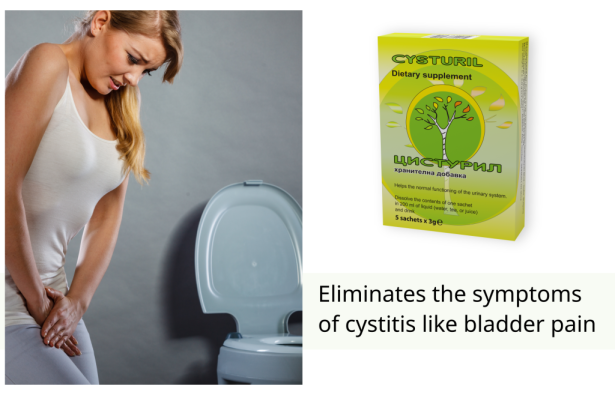
Each sachet contains D-Mannose 1,5 g
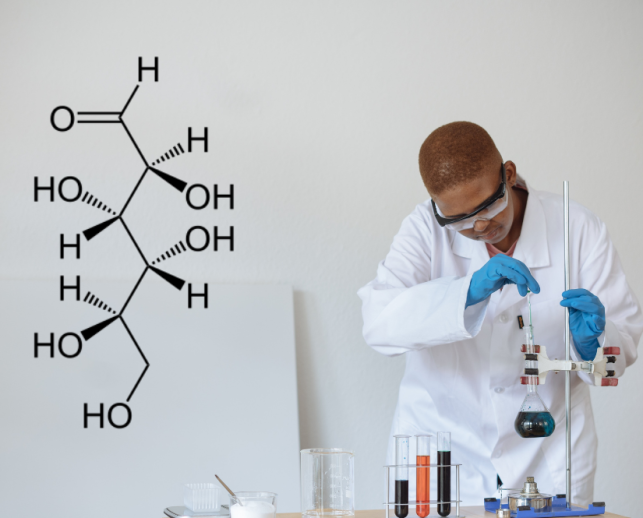
D-mannose is absorbed eight times slower than glucose; after the uptake, it is not converted to glycogen and is stored in the liver. It passes directly through the upper digestive tract into the bloodstream. Subsequently, d-mannose is filtered through the kidneys and passes into the bladder.
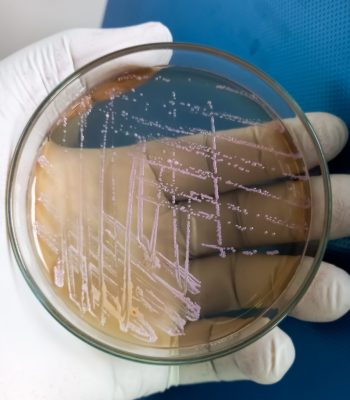
D-mannose inhibits the bacterial adhesion of E. Coli to the uroepithelium cells, thus opposing the invasion and the formation of bacterial biofilms.
The lining of the bladder is composed of polysaccharide molecules, including d-mannose. Escherichia coli strains attach to human uroepithelium with type 1 pili, which are long, hairy organelles with mannose-binding fimh adhesin at the top.
In the presence of d-mannose, E. Coli preferentially binds to mannose molecules, forming a complex that is excreted from the body with the next urination.
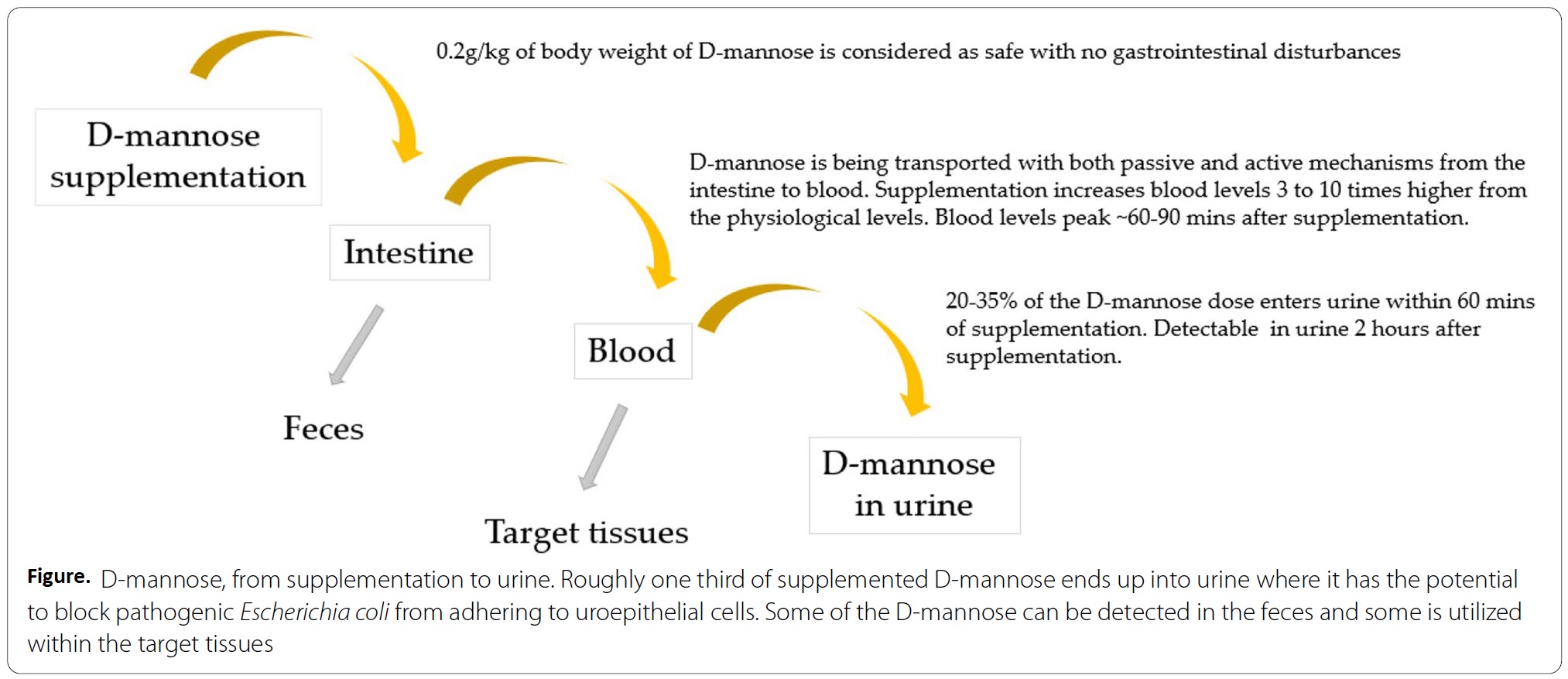
Ala-Jaakkola, R., Laitila, A., Ouwehand, A.C. et al. Role of D-mannose in urinary tract infections – a narrative review. Nutr J 21
RECOMMENDED DOSES
The recommended dose of d-mannose for bladder infections is 1.5 grams daily.
During the acute phase (first 1-2 days) is recommended use every 3 hours.
For example:
First and second day: 1 sachet 5 times a day, every 3 hours.
For a longer period: 1 sachet daily.
Honeymoon cystitis: To be taken 30 minutes before the intercourse and urinate immediately after it.
A pleasant, sweet taste.
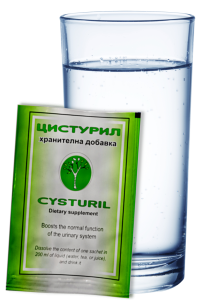
Dissolve the content of one sachet in 200 ml of liquid (water, tea, or juice), and drink it
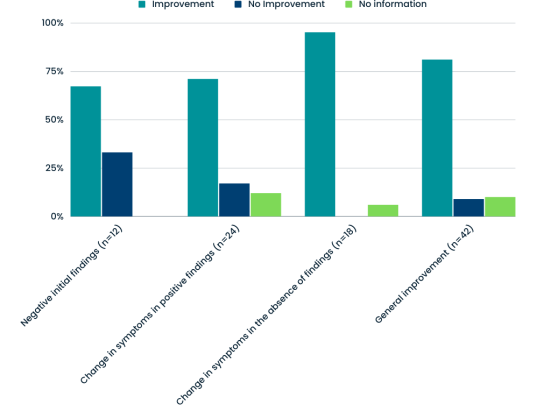
Results for women:
- Statistically, 17 of the 24 (71%) females in the confirmed-culture, D-mannose-treated group reported symptom improvement.
- Although three of the 24 (12.5%) were unable to be contacted, they did not return for additional treatment.
- Only four of 24 (17%) reported no symptom improvement after D-Mannose treatment.
Results for males:
- Significant improvement in men with a positive microbiological culture.
CLINICAL STUDIES
A long-term clinical study conducted by Dr. Michael Blue on patients with recurrent urinary tract infections. In the study were examined: 42 women (12-83 years) and 18 men (25-71 years) with bladder pain.
- Of the 42 female subjects, 24 were confirmed by culture to have a UTI (19 with E. Coli, 4 with Klebsiella, and one mixed infection)
- Of the 18 male subjects, 10 were confirmed by culture to have a UTI. Seven had neurogenic bladders from spinal cord injuries, three of whom were on intermittent catheterization and four had indwelling supra-pubic tubes.
CYSTURIL
Power From Nature!
D-Mannose is a Monosaccharide found in the nature Possibility in Urinary Tract Infections and Cystitis-Like Syndrome
D-Mannose blocks the invasion of E. Coli (responsible for 80-90% of Urinary Tract Infections), intracellular growth, inclusion, and the possibility of infection recurrence.
Quick action
90% of orally administered D-Mannose is excreted from the body in urine during the first 30 to 60 minutes and 99% of the rest in the next 8 hours.
Supports the Immune System
D-Mannose is needed for Cytokines production. Potentiate the effects of Antibiotics, when used together
D-Mannose activates macrophages via the Mannose receptor to them. Suitable to use
• Right dosage
• Easy to use
• Pleasant taste

Facilitate fluid intake
Adopted fluid helps the desired effect. Do not increase the levels of Blood sugar
D-Mannose is not metabolized.Safe
D-Mannose is a natural part of the diet.